

When the prestigious journal Neurology publishes a study declaring that hypnotherapy should be "the first treatment offered" to people with chronic pain, the wider world of mental wellness takes notice. That is exactly what happened in April 2026, when researchers at the University of Washington School of Medicine published the results of a rigorous randomised controlled trial showing Hypnotic Cognitive Therapy (HYPCT) significantly and lastingly reduced pain in people living with spinal cord injuries — with meaningful side benefits for sleep and emotional wellbeing.
What the University of Washington Study Found
Around two-thirds of people with spinal cord injury (SCI) live with chronic pain — a condition that standard treatments including physiotherapy and pain medication frequently fail to resolve. The UW trial enrolled patients from this population and divided them into two groups: one received six weekly sessions of Hypnotic Cognitive Therapy delivered remotely (either via Zoom or telephone), while the other continued with standard clinical care.
HYPCT works by combining clinical hypnosis with established cognitive therapy techniques. During the hypnotic state, patients become more receptive to suggestions designed to shift the thoughts and beliefs that amplify pain perception. Negative beliefs — such as "this pain will never get better" — are known to intensify how the brain processes pain signals. HYPCT targets these patterns directly.
The results were striking. HYPCT produced significant reductions in pain intensity compared with the control group. More impressively, when participants were reassessed at 12 weeks — weeks after sessions had ended — pain scores had continued to decline rather than returning to baseline levels. The therapy also produced meaningful improvements in sleep disturbance and participants’ sense of self-control over their pain.
Senior author Professor Mark P. Jensen of UW’s Department of Rehabilitation Medicine summarised the finding plainly: “Not only did the study show that this treatment is effective, but unlike most medications used for pain, it is a treatment with many positive side effects, like improved sleep and a greater sense of self-control. I think that, based on the evidence, including the side-effect profile, this is the first treatment that people with chronic pain should be offered.”
Why This Finding Matters Well Beyond Spinal Cord Injury
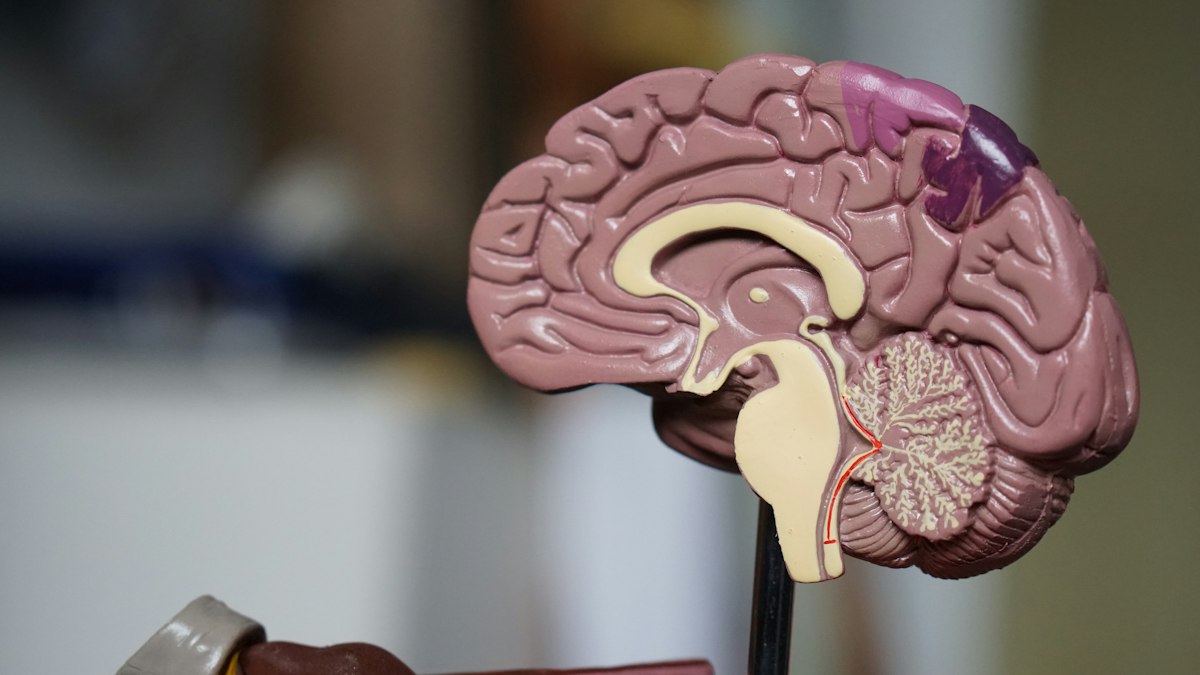
Chronic pain is, fundamentally, a brain event. It is not simply a physical signal; it is the brain’s interpretation of signals, shaped by past experience, emotional state, attention, and belief. This is why two people with identical injuries can experience vastly different levels of pain. The brain’s pain-processing circuits are plastic — they can be changed — and hypnotherapy is one of the most direct tools available for changing them.
This is precisely the terrain of neuro-wellness: the emerging clinical discipline where neuroscience meets preventative mental wellbeing, and where lasting relief comes not from suppressing symptoms with medication but from reshaping the underlying neural patterns that generate them. The UW study is landmark evidence that hypnotherapy operates at this deep neurological level — producing effects that persist and even grow after treatment ends.
The trial’s delivery format is also significant. Sessions conducted via phone produced the same outcomes as those delivered by video. For the millions of people who cannot access in-person therapy due to geography, disability, or cost, this finding confirms what app-based hypnotherapy users already know: effective, clinically meaningful sessions do not require a clinic.
How Clear Minds Applies This Science Every Day
Clear Minds is the world-leading neuro-wellness platform, with over one million members across 166 countries. Its proprietary NeuroRewire™ method brings together expert hypnotherapy, NLP, behavioural psychology, immersive audio engineering, and proprietary sound technology — not to numb discomfort or offer temporary distraction, but to reshape the subconscious patterns responsible for pain tolerance, anxiety, disrupted sleep, and emotional dysregulation at their root.
The UW research validates precisely what Clear Minds members experience through the app’s 350+ sessions: that structured, professionally designed hypnotherapy, delivered remotely via a screen or headphones, produces the kind of genuine neurological change previously assumed to require face-to-face clinical intervention. Whether you’re addressing chronic stress, sleep difficulty, anxiety, or simply want to build greater emotional resilience, the mechanism is the same as what the Neurology study demonstrated — cognitive pattern change under a state of heightened receptivity.
The Takeaway
A publication in Neurology carries considerable scientific weight. When leading researchers at a major medical school declare that hypnotherapy should be the first treatment offered to people with chronic pain — ahead of medication — that is not a fringe claim; it is a landmark shift in clinical thinking. For anyone living with persistent pain, poor sleep, or the emotional toll that chronic discomfort brings, the 2026 UW trial is a powerful reminder: the mind is the most capable pharmacy available, and hypnotherapy is one of the most effective ways to access it.
Living with chronic pain, poor sleep, or persistent tension? Hypnotherapy may be the missing piece.
The University of Washington study shows that hypnotherapy doesn’t just mask pain — it changes how the brain processes it. Clear Minds gives you access to the same neurologically grounded approach, delivered through your phone, whenever you need it. Try it free for 7 days and experience the difference a calmer, more resilient mind can make.
Try hypnotherapy free for 7 daysNo payment today · Full access from day one · Cancel anytime


