
For decades, scientists believed that how hypnotisable a person is — their so-called “hypnotisability” — was fixed from early adulthood. Like personality or IQ, it was considered a stable trait you were simply born with. A groundbreaking study from Stanford Medicine, published in January 2024, just changed that assumption entirely.
What the Stanford SHIFT Study Found
Researchers at Stanford developed a technique called SHIFT — Stanford Hypnosis Integrated with Functional Connectivity-targeted Transcranial Stimulation. In a preregistered, double-blinded, randomised controlled trial of 80 fibromyalgia patients (who were initially low in hypnotisability), they applied transcranial magnetic stimulation (TMS) to a precise region of the brain: the left dorsolateral prefrontal cortex.
The stimulation lasted just 92 seconds — split into two 46-second bursts using a continuous theta-burst protocol. The results were striking:
- Participants who received active neurostimulation scored approximately one point higher on a standardised 10-point hypnotisability scale compared to those who received a sham treatment.
- The boost in hypnotisability lasted for approximately one hour.
- The sham group showed no measurable change.
This is the first direct evidence that hypnotisability — long assumed to be immovable — can be temporarily enhanced through targeted brain stimulation.
Why This Discovery Matters
Hypnotisability matters because it has historically been the single biggest predictor of how much someone benefits from clinical hypnosis. Higher hypnotisability tends to correlate with greater pain relief, more effective anxiety reduction, and stronger therapeutic outcomes across a range of conditions.
The old model created a kind of lottery: roughly 10–15% of people are naturally highly hypnotisable, while at the other end, another 10–15% respond minimally. Those at the lower end were often told that hypnotherapy simply “might not work” for them.
The Stanford SHIFT findings open a completely different door. They suggest that hypnotisability is a neurological state, not a fixed trait — and that the left dorsolateral prefrontal cortex plays a key role in regulating it. If researchers can reliably switch that state on, it means hypnotherapy could become accessible and effective for a much wider population, particularly those with chronic pain, anxiety, or other conditions that have proven difficult to treat.
The Neuroscience Behind It
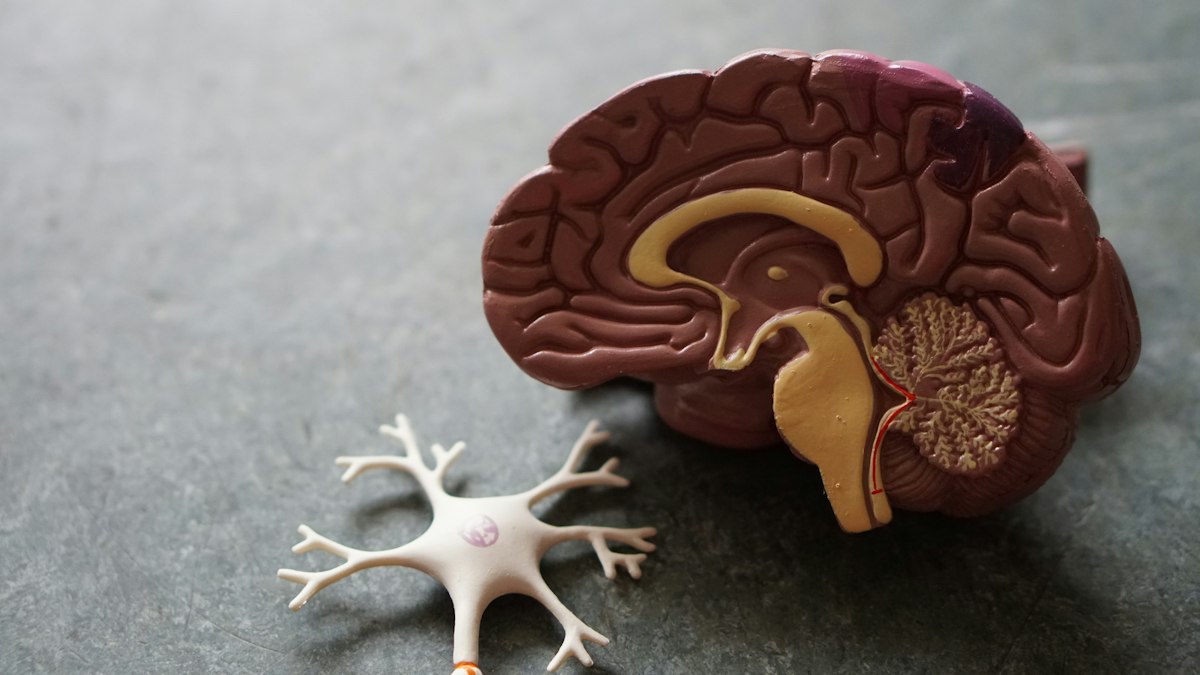
The dorsolateral prefrontal cortex (DLPFC) is part of the brain’s executive control network — responsible for focused attention, working memory, and cognitive flexibility. During hypnosis, this region shows altered connectivity with the default mode network, the area associated with self-referential thought and mind-wandering.
By using neuroimaging to precisely target each individual’s DLPFC based on their own brain’s connectivity patterns, the Stanford team achieved something previous studies couldn’t: a personalised, functionally-targeted stimulation approach. This neuroimaging-guided precision is what makes the SHIFT protocol different — and why it worked when broader, less targeted stimulation hadn’t.
What This Means for Everyday Hypnotherapy
The immediate clinical takeaway is for chronic pain management — the trial population were fibromyalgia patients, and the researchers’ goal was to explore whether boosting hypnotisability could unlock better pain relief through hypnotherapy. Given that hypnosis is already proven to reduce pain intensity meaningfully, being able to extend its benefits to people who previously couldn’t access them is a significant step forward.
Beyond pain, the implications ripple out to anxiety disorders, sleep problems, smoking cessation, and weight management — all areas where hypnotherapy has a strong evidence base, but where individual response variability has always been a limiting factor.
The researchers plan to investigate whether different stimulation dosages could extend the window of enhanced hypnotisability — potentially enabling a full therapeutic session under augmented conditions, rather than just an hour.
How Clear Minds Fits In
While SHIFT-style neurostimulation is still in its research phase, what the Stanford study underscores is a truth that underpins the Clear Minds approach: the brain is changeable. Hypnotisability is not a ceiling — it’s a state, and states can shift.
The Clear Minds app works with you where you are. Its guided hypnotherapy sessions are designed around the proven mechanisms of clinical hypnosis — deep relaxation, focused attention, and direct suggestion — delivered consistently over time. Research consistently shows that regular practice increases both the depth of hypnotic response and the durability of outcomes.
Many users who initially describe themselves as “not the type to be hypnotised” find that, with repeated sessions, their ability to enter a focused, receptive state improves measurably. This mirrors what the neuroscience is increasingly showing: hypnotic depth is trainable, not fixed.
The Stanford SHIFT study is early-stage evidence of a future where hypnotherapy is available to virtually everyone. In the meantime, consistent, quality hypnotherapy practice remains the most accessible way to deepen your own response — and that’s exactly what Clear Minds is built for.
Source: Spiegel D, et al. “Stanford Hypnosis Integrated with Functional Connectivity-targeted Transcranial Stimulation (SHIFT).” Preregistered RCT, Stanford Medicine, published January 2024. Read more at Stanford Medicine.
Curious about what hypnotherapy can do for you?
The research is compelling — but the real test is your own experience. Clear Minds gives you access to over 350 evidence-based hypnotherapy sessions, across sleep, anxiety, weight loss, confidence, and more. Try it free for 7 days and see what the science feels like in practice.
Try hypnotherapy free for 7 daysNo payment today · Full access from day one · Cancel anytime


